
The Estate · since 15.11.2018
500+ hectares
against desertification.
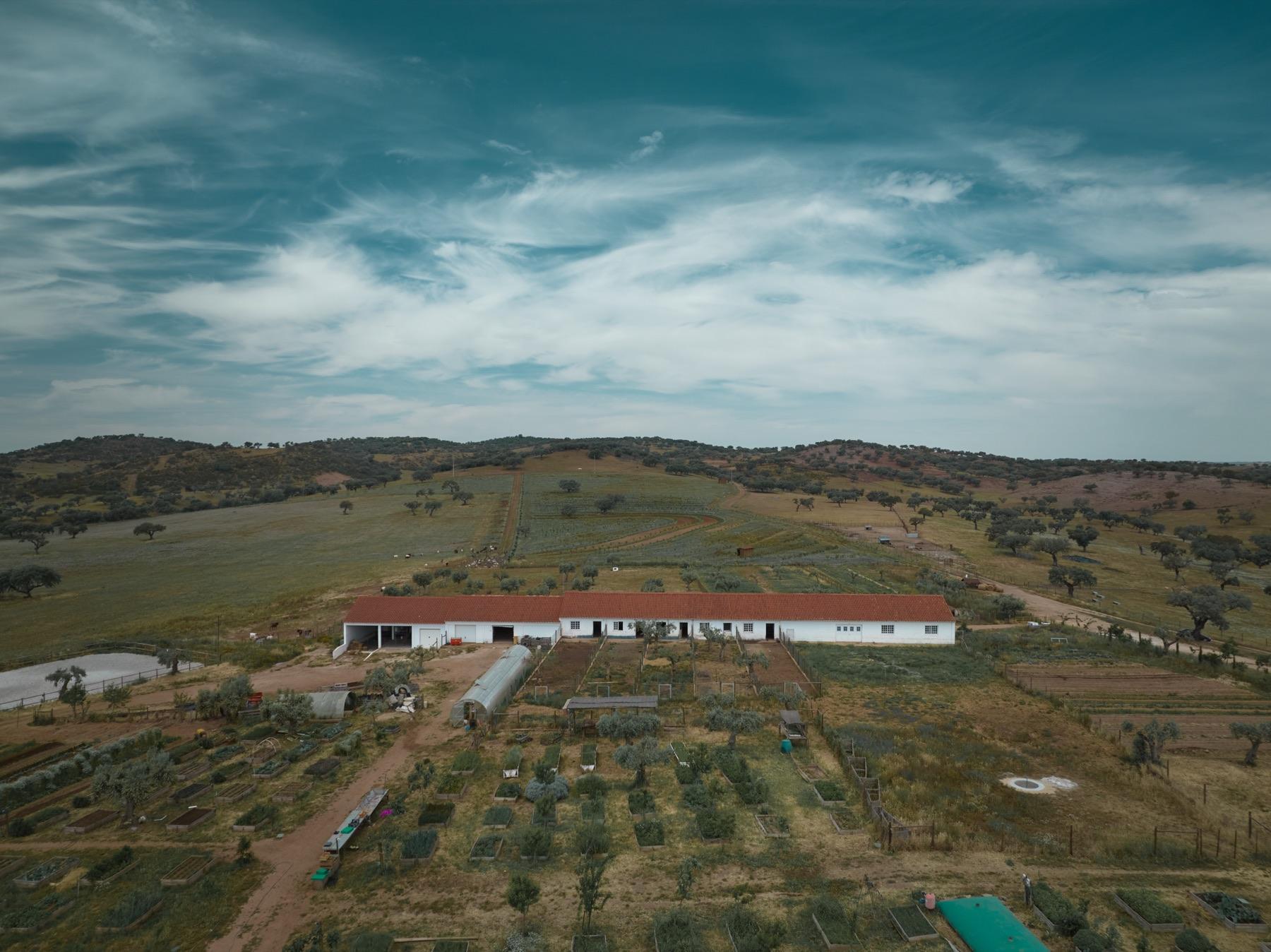
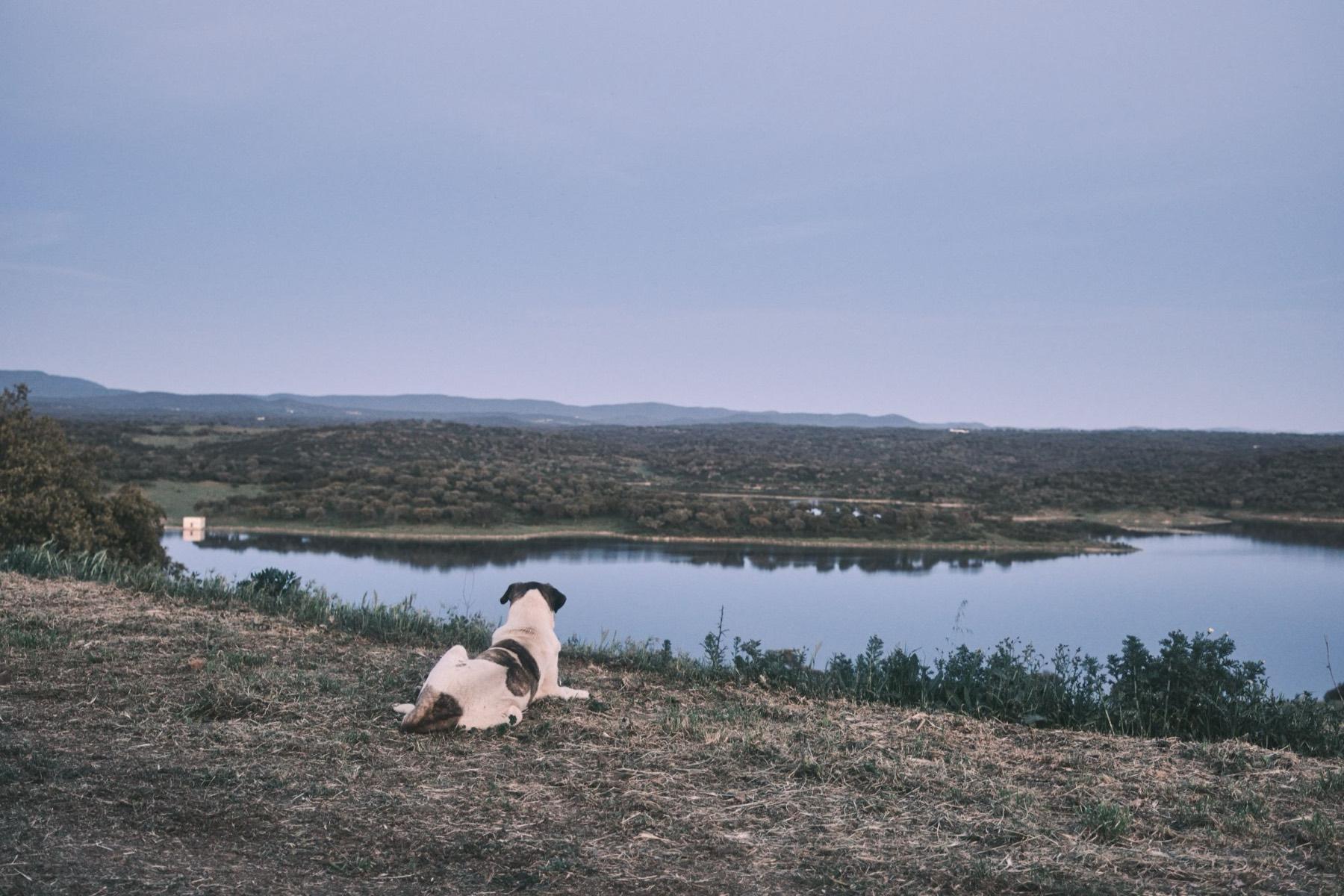
On the banks of the Alqueva, looking across to the Spanish Extremadura. One of the driest corners of Europe, and the place where we chose to regenerate the soil.
Our story
An estate reborn in the Alentejo.
Terramay means “Mother Earth”. Founders: Anna de Brito · David de Brito · Thomas Sterchi
Long-standing friends and business partners Thomas Sterchi and the de Brito family share a vision: to turn regenerative farming and sustainable tourism into a unique experience, while fighting desertification in the Alentejo.
After years of searching for the ideal place and many trips to the south of Portugal, the vision became reality on 15 November 2018, with the purchase of a 562-hectare property on the banks of the Alqueva. The family moved to the Alentejo, and Terramay was born.
2018
The family moves to the Alentejo. On 15 November, Terramay is born.
2019
Organic certification. First boxes and first restaurant clients in Lisbon.
2022
Soil to Soul festival, in Alandroal. Raya opens at Azenhas d’El Rei.
2024
Raya receives the Prémio Sustentabilidade 2024 (Sustainability Award) from the Boa Cama Boa Mesa guide. Pão & Pizza opens in Rosário.
2025
The central kitchen opens. Terramay is selected as one of Europe’s Top 50 Farmers.
2026
Farm to Home launches. We join Slow Food Farms and EARA (European Alliance for Regenerative Agriculture). Pão & Pizza receives the Sol Sustentável from the Repsol Guide.
Next
Our own mill, milk and cheese, a winery and the Farm House.
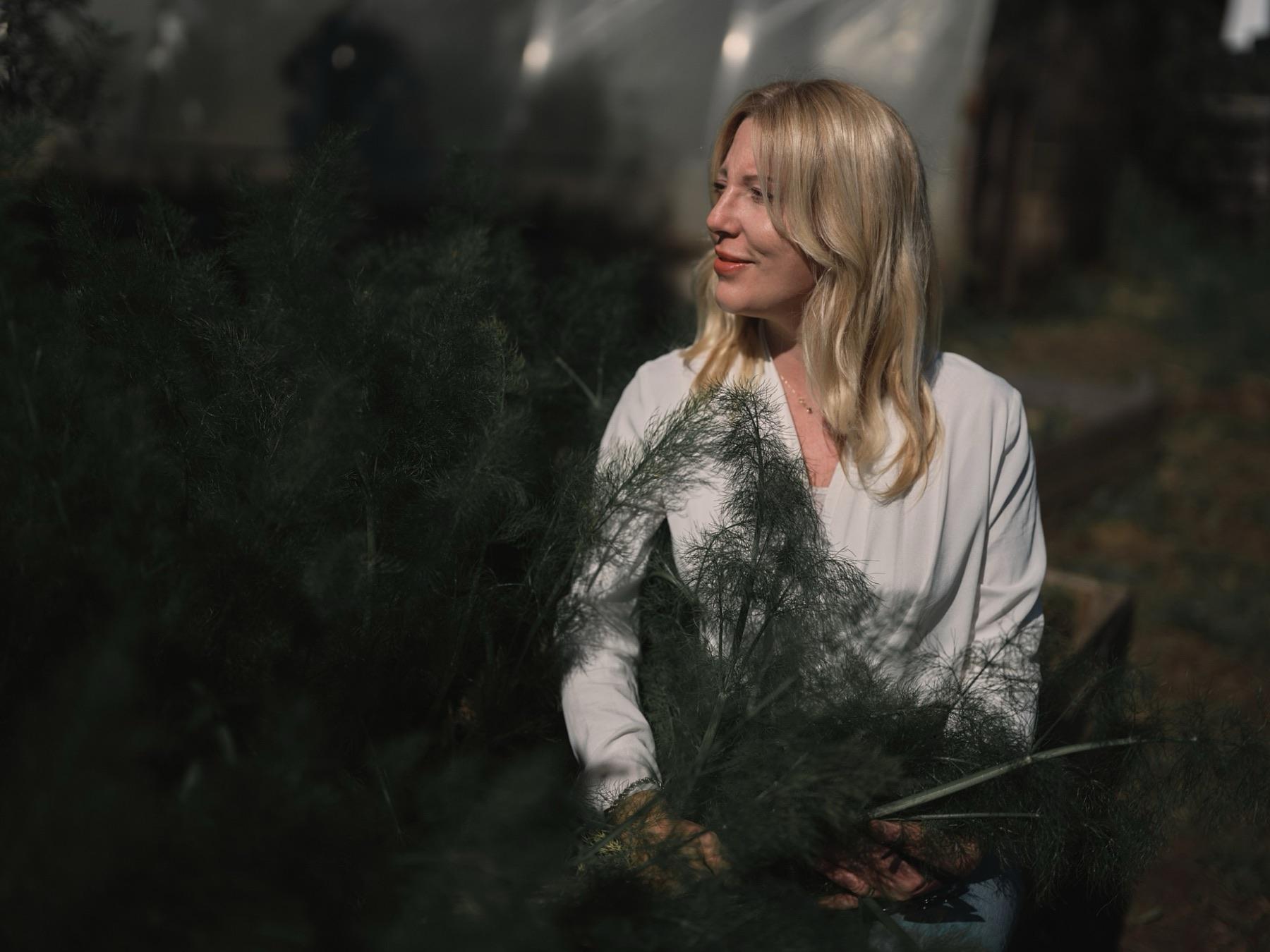
“Healthy food without pesticides should be a fundamental democratic right.”
How we farm
Radical farming: from the root.
Regenerative
We give back more than we take: soil, water, biodiversity.
Self-sustaining
On the way to about 80% self-sufficiency across the whole estate.
Healthy
“One health”: soil, plants, animals and people share the same health.
Circular
What leaves the land returns to the land: waste becomes compost.
The 10 principles
- Disturb the soil as little as possible
- Keep the soil covered
- Living roots in the soil all year round
- Maximum diversity of plants and life
- Integrate the animals
- Respect the local context
- Never use fungicides, herbicides or synthetic chemicals
- No genetically modified seeds or organisms
- Strive for self-sufficiency in everything we produce
- Return waste to the soil
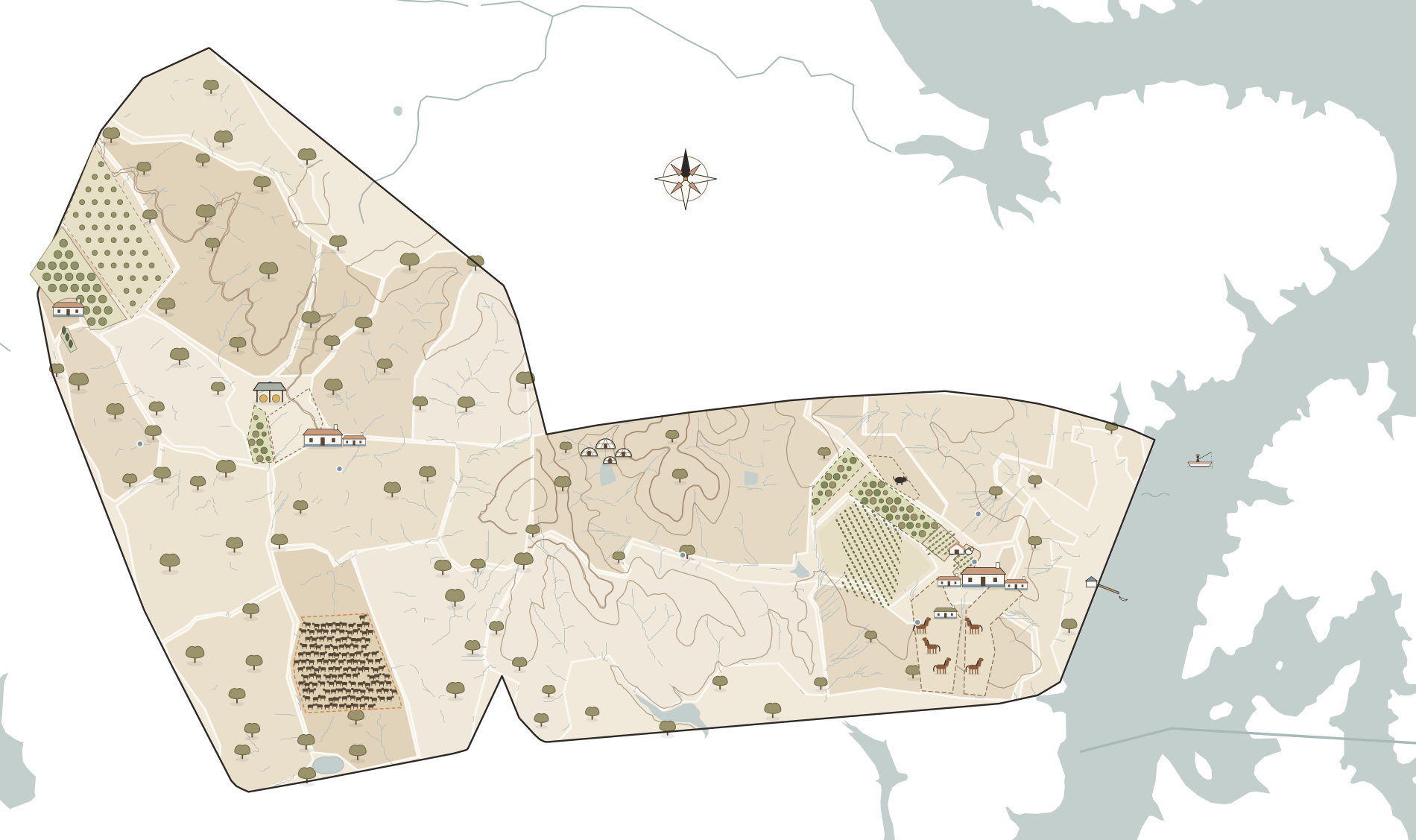
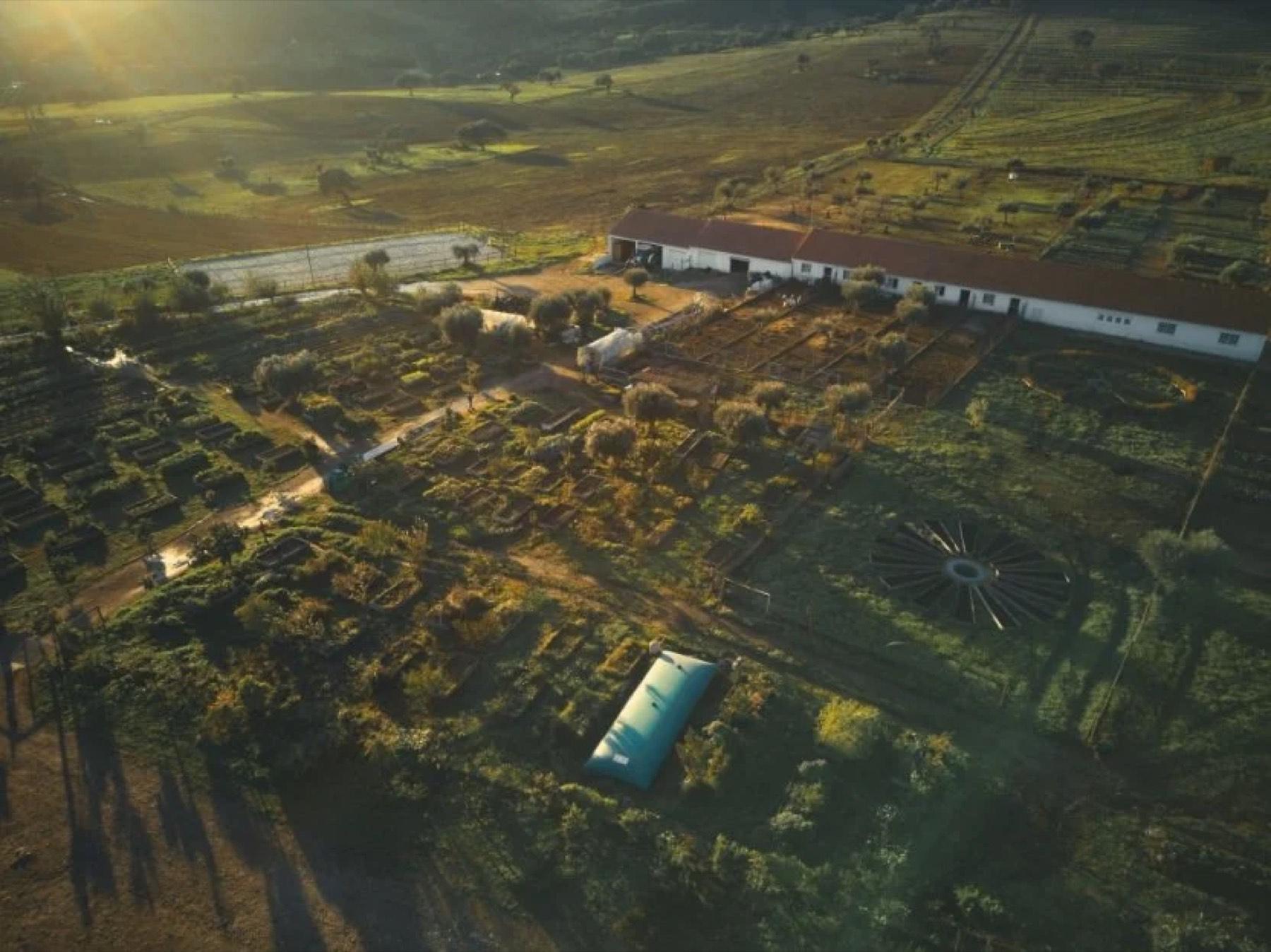
The estate, seen from above
Santa Catarina and Granja.
Terramay is two properties on the banks of the Alqueva, in Alandroal: Santa Catarina and Granja. Together they cover more than 500 hectares.
Our animals
Every animal has a job.
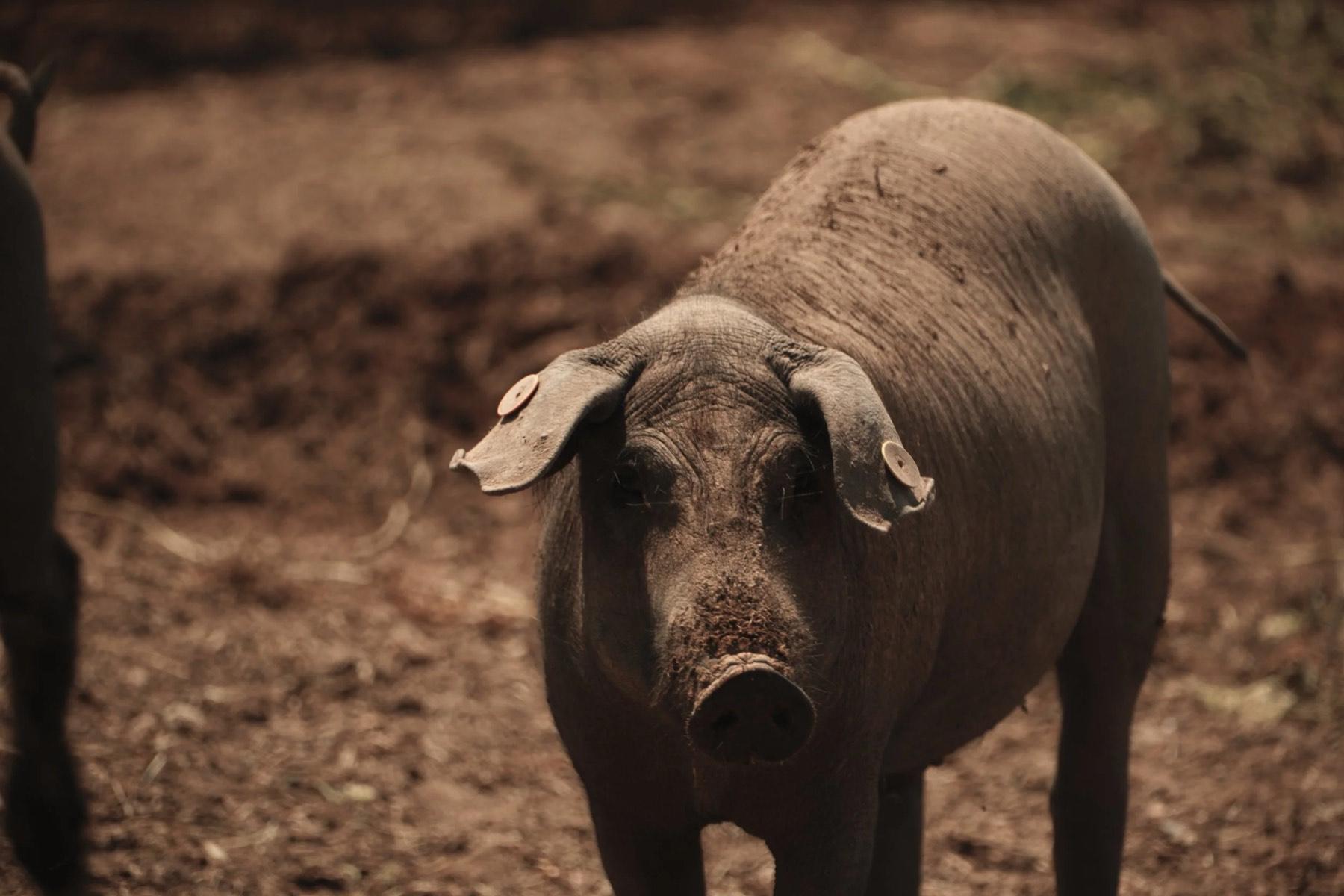
Black pigs
They eat grass and acorns. They fertilise and turn the soil and recycle organic waste.
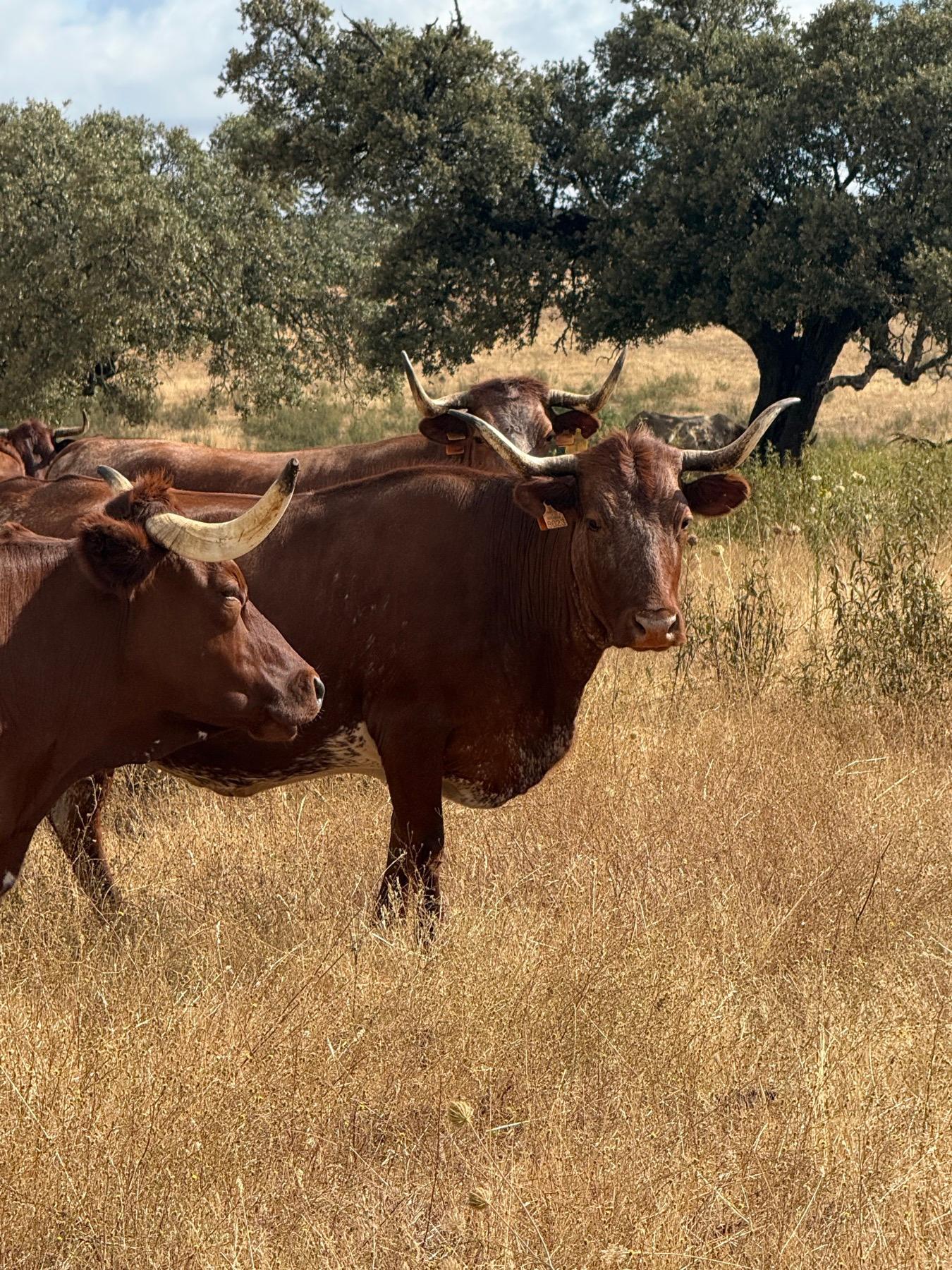
Mertolenga cattle
Holistic grazing that enriches the soil, stores carbon and spreads seeds.
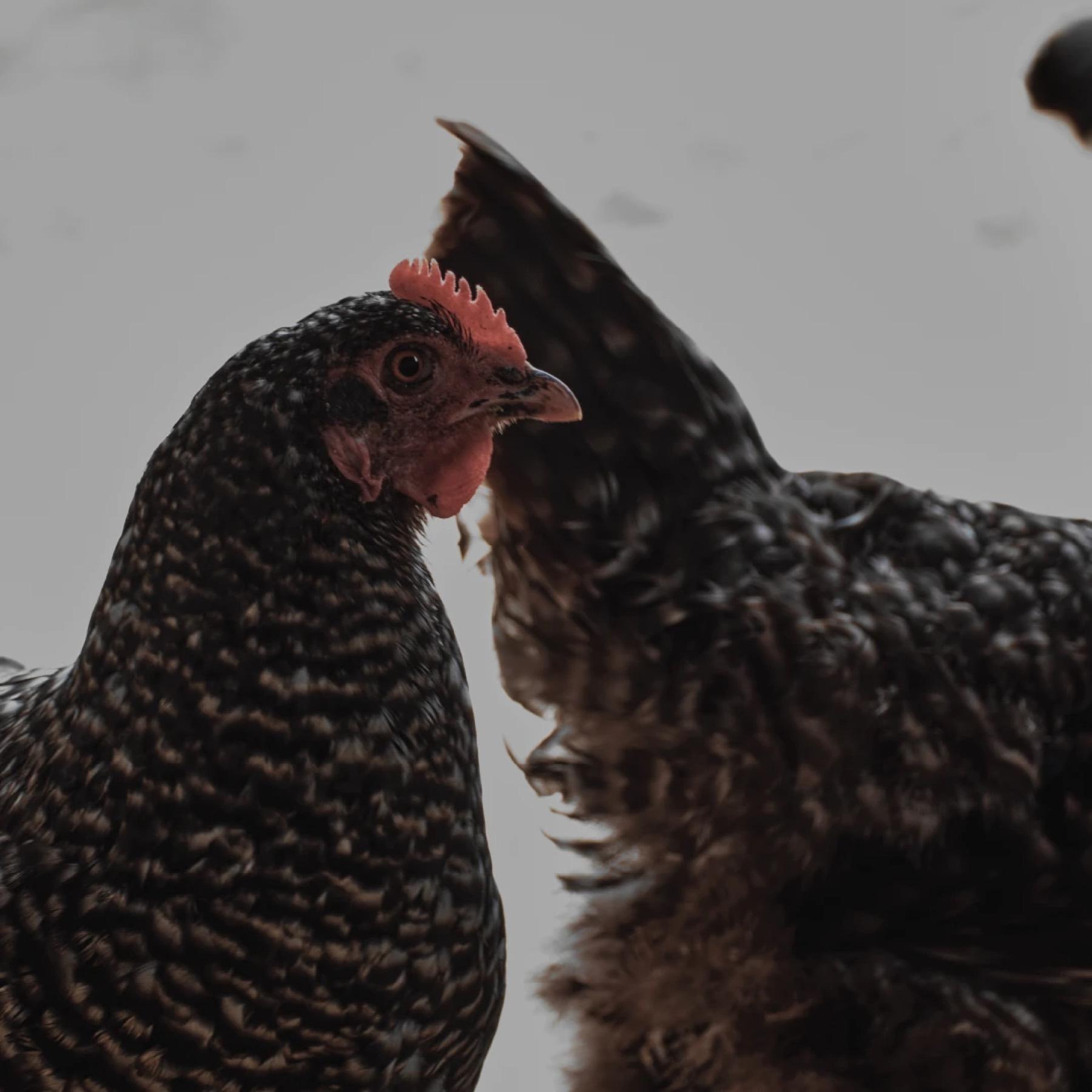
Pasture-raised hens
They turn organic waste into compost for the vegetable gardens.
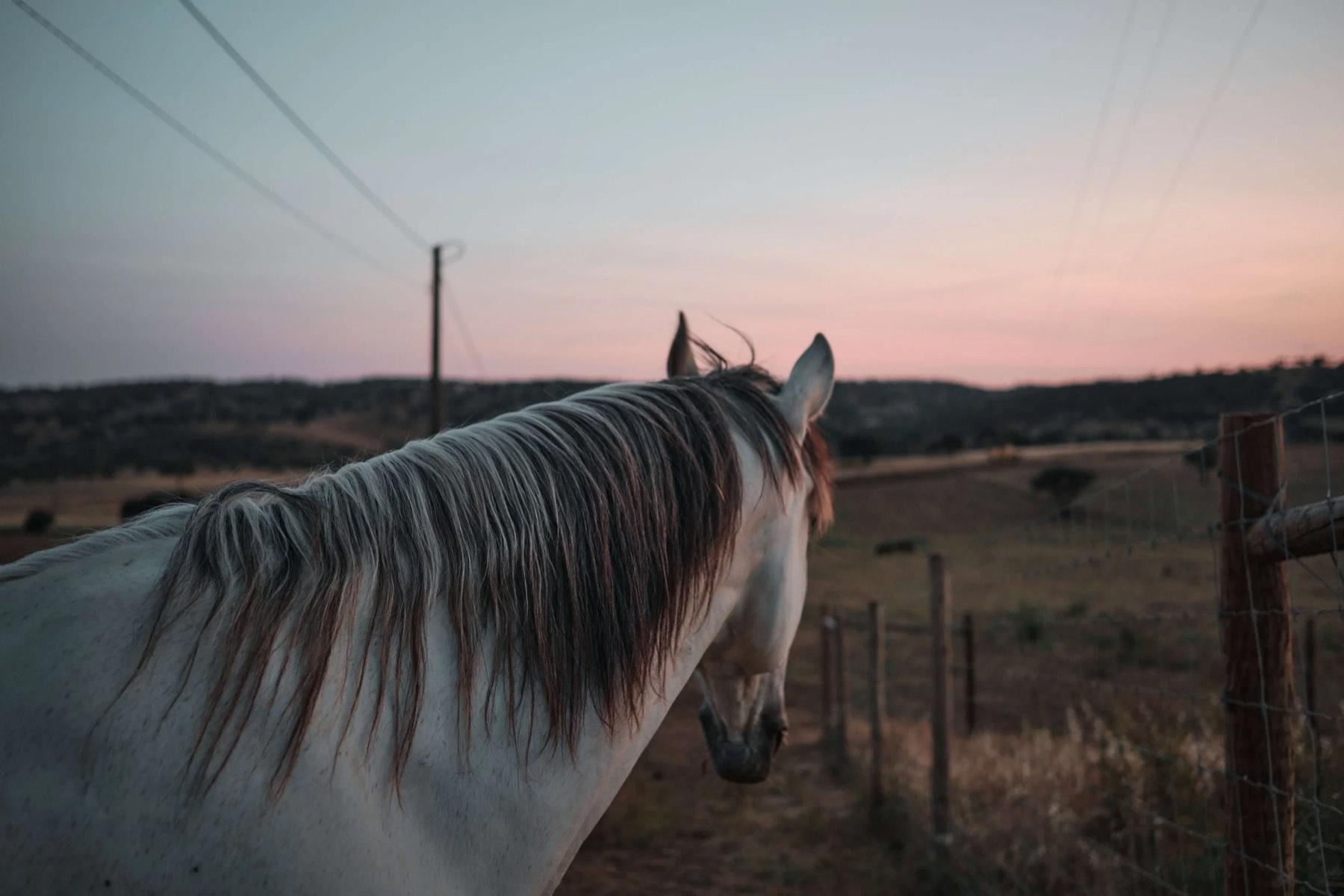
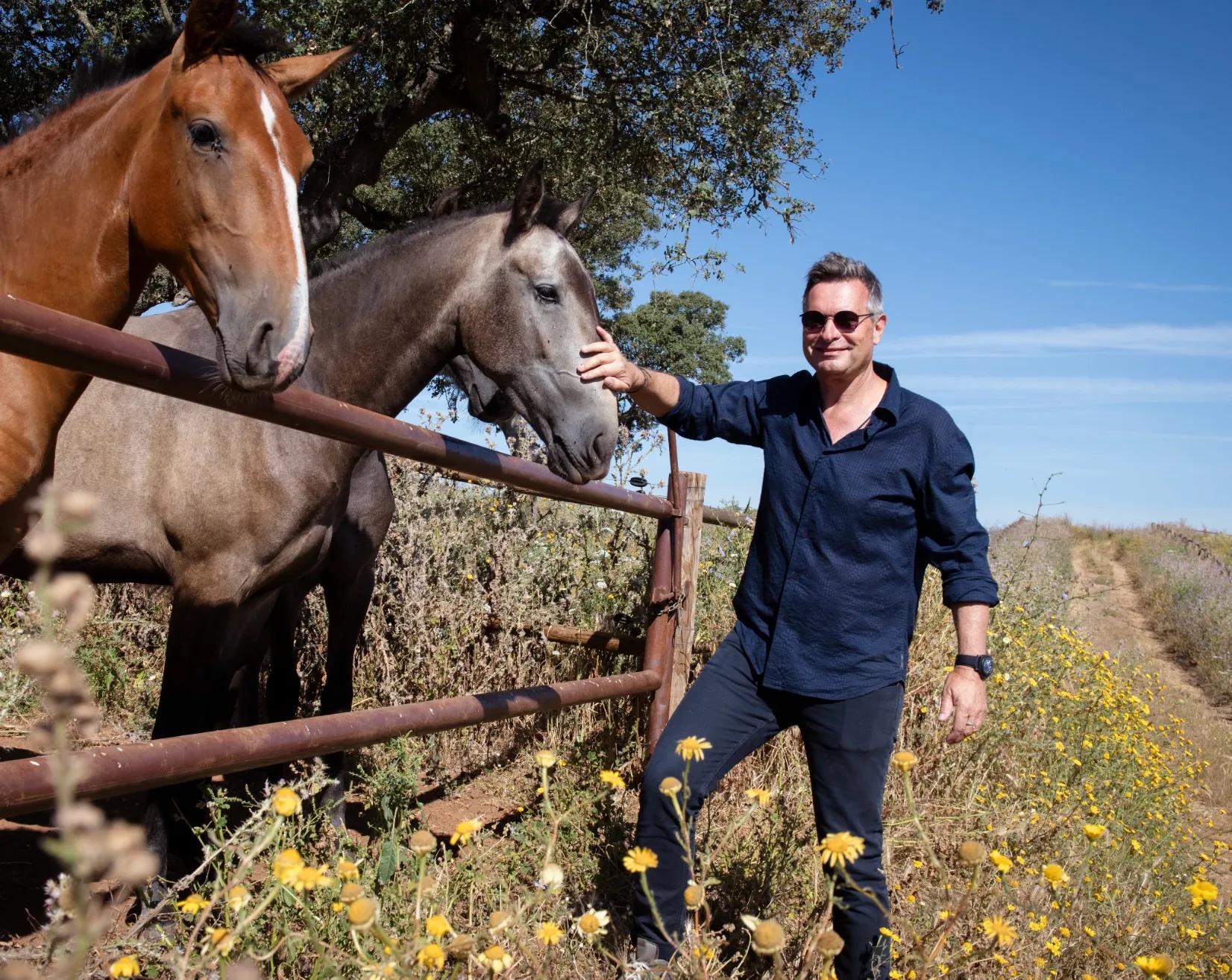
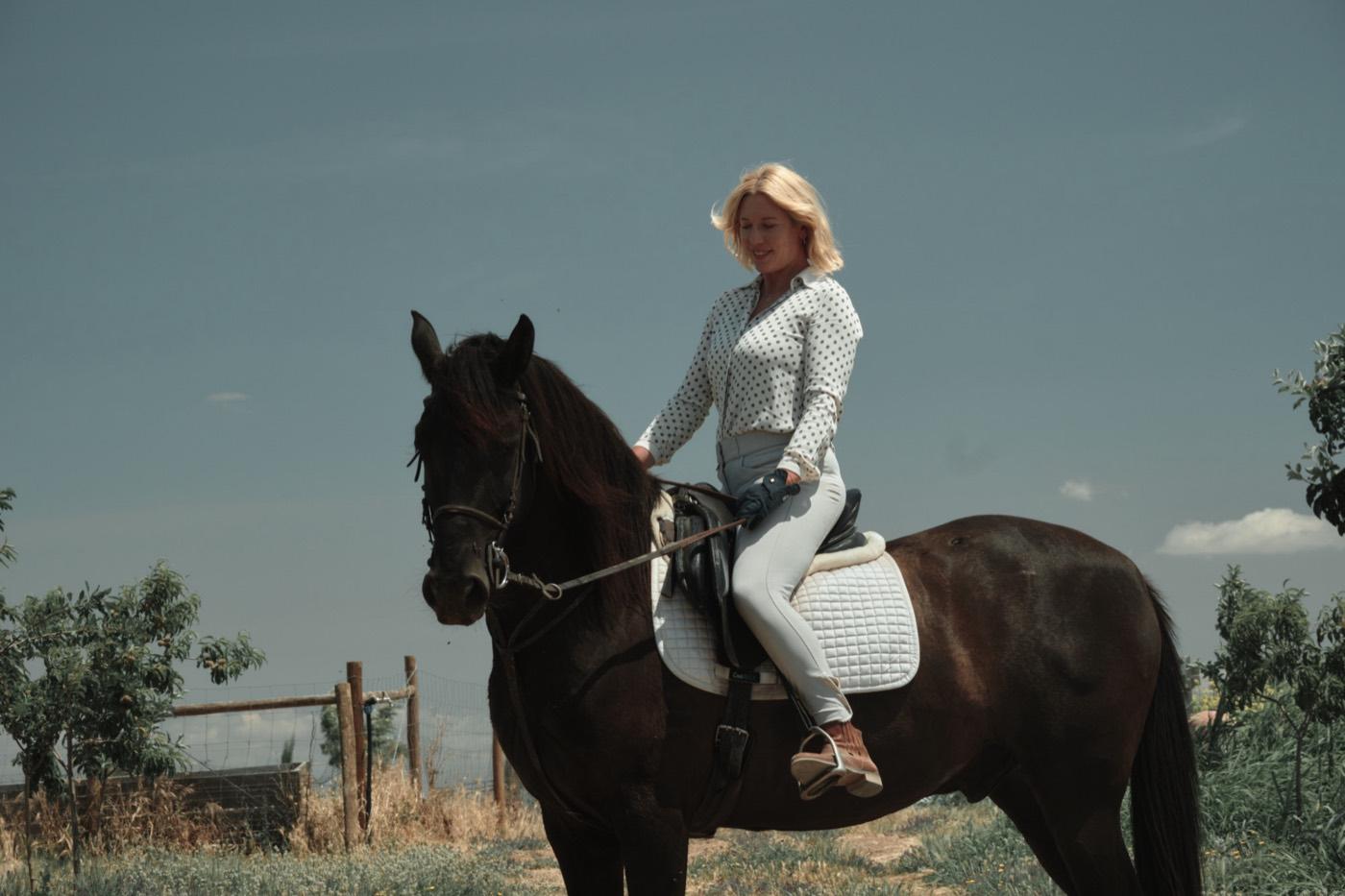
Lusitano horses
They work on the farm, and their manure becomes compost.
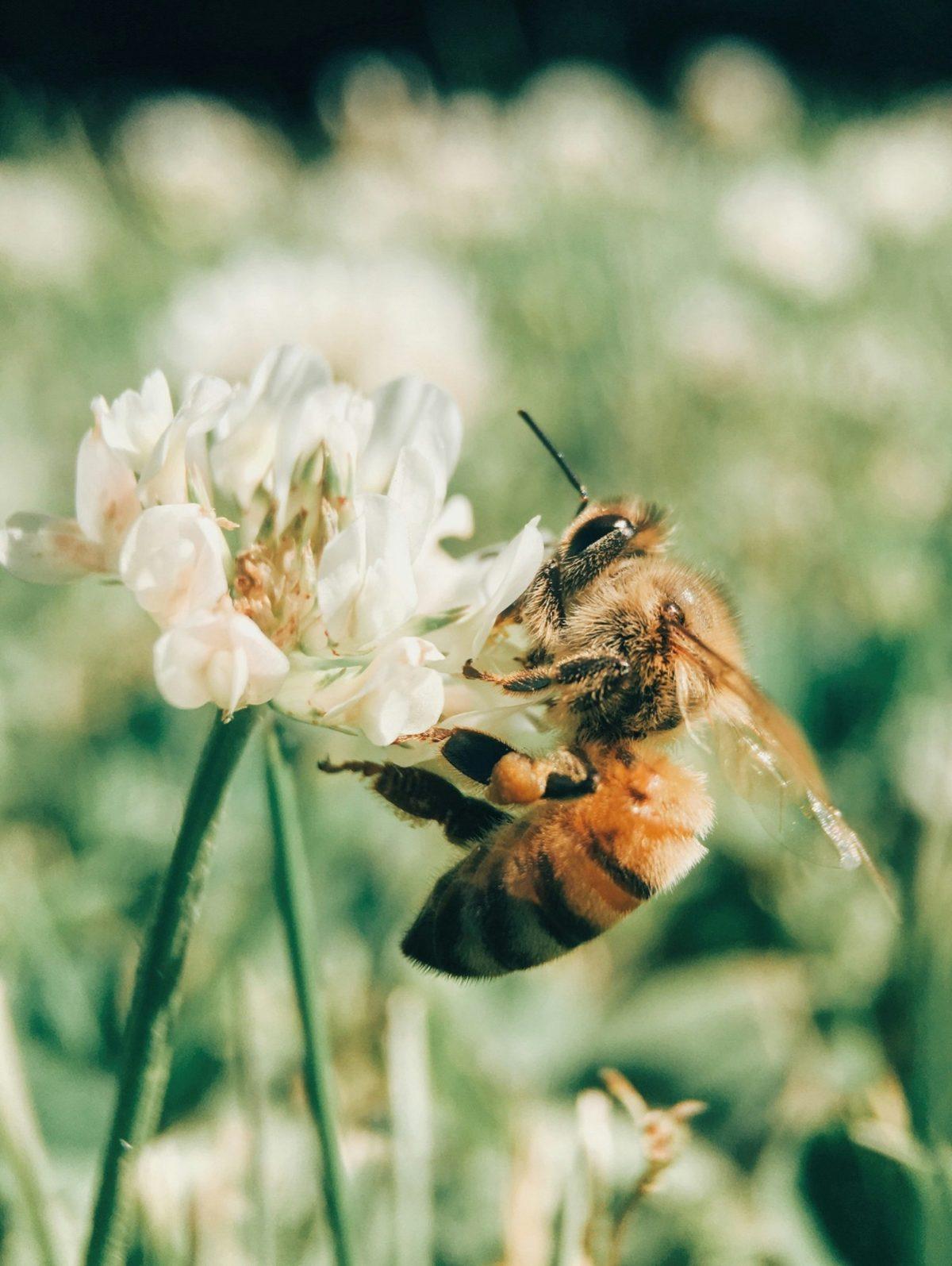
Bees
They pollinate the farm and give us honey.
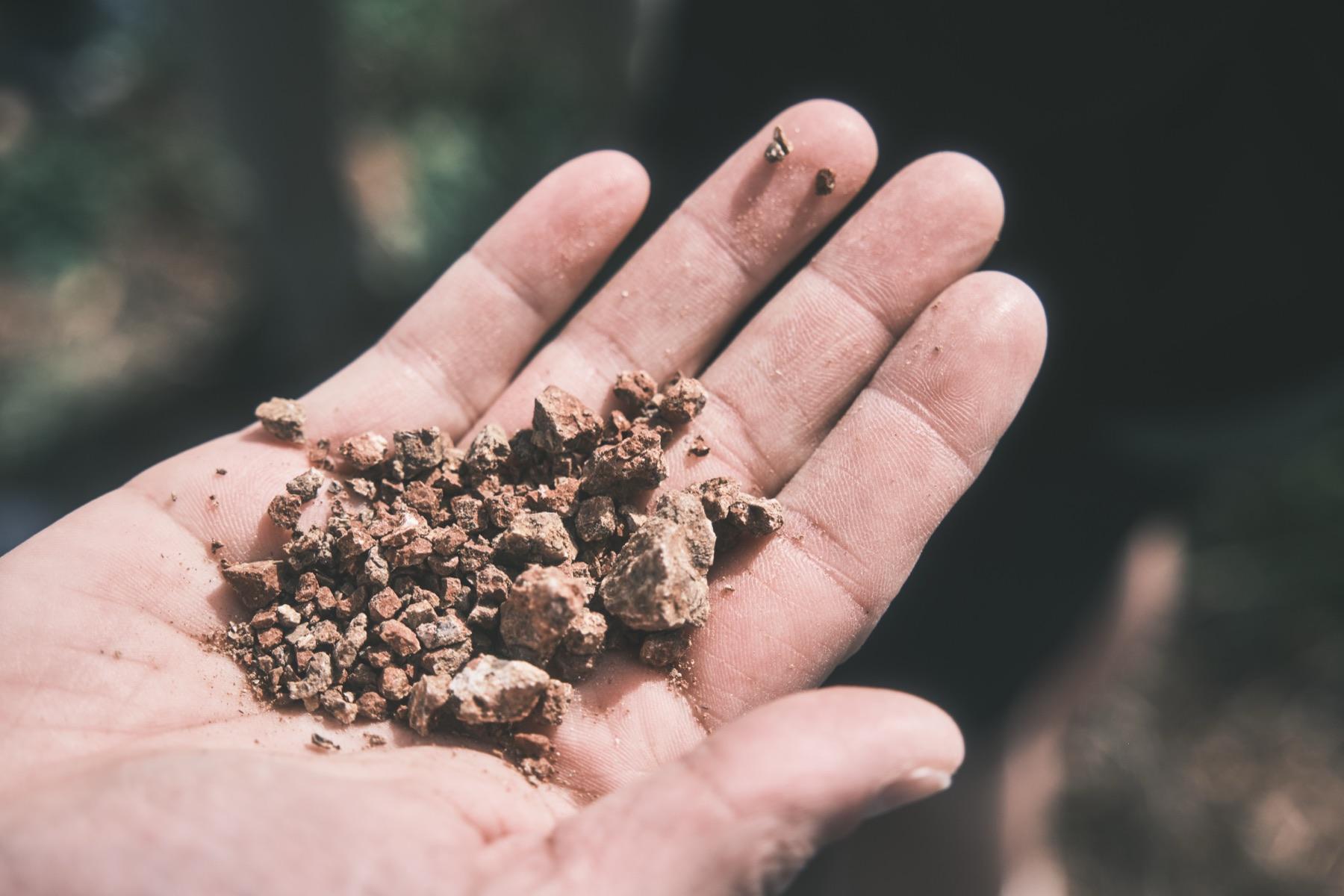
1000+ wild helpers
Bats, earthworms, micro-organisms, fungi and birds.
What we grow
Grown for health and for flavour.
80+
vegetables
20+
aromatic herbs
20+
fruits and nuts
- Pasture eggs
- Pasture-raised meat
- River fish
- Pulses
- Cereals
- Olive oil
- Honey
Certified organic PT-BIO-05
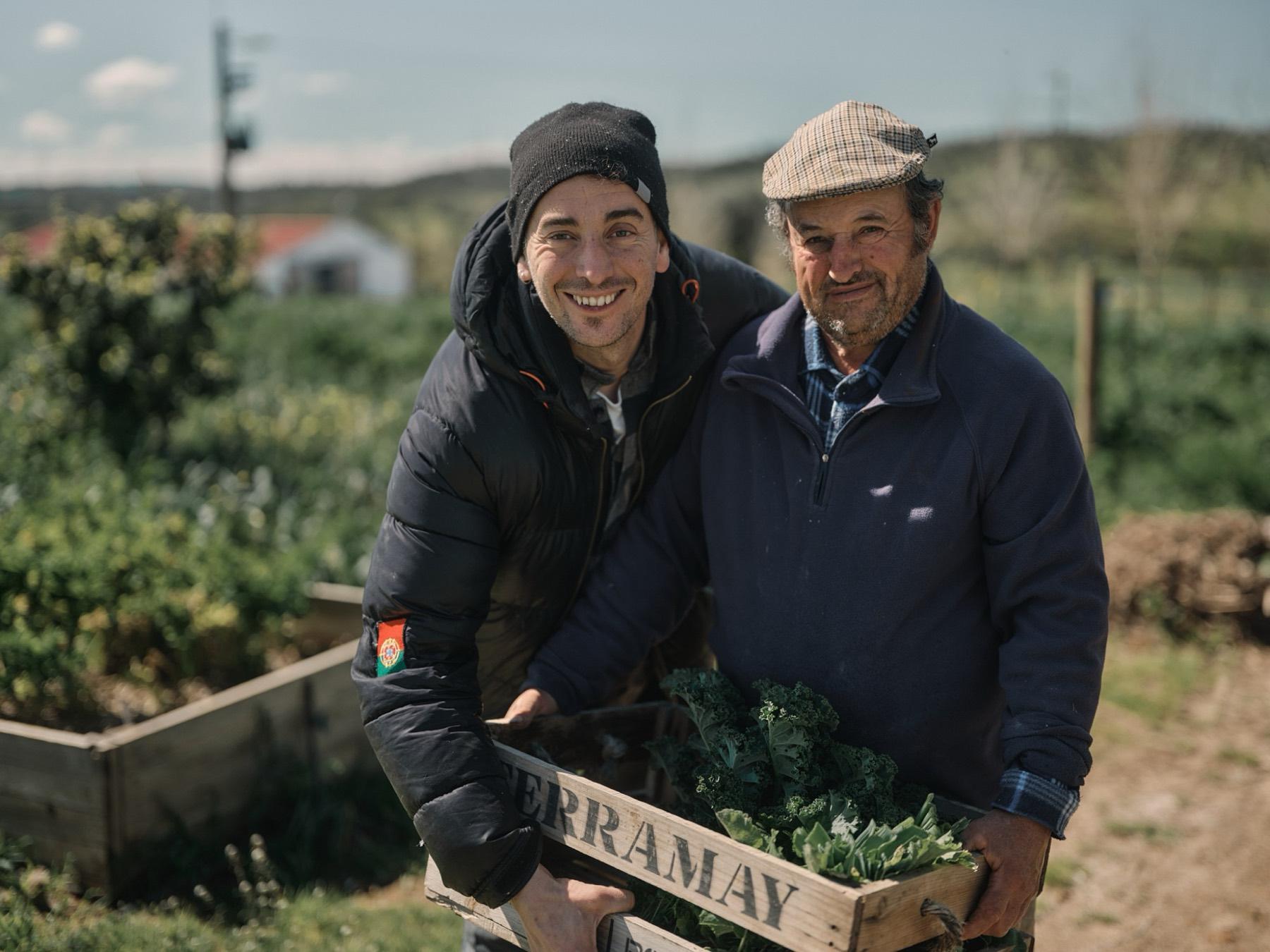
Central kitchen
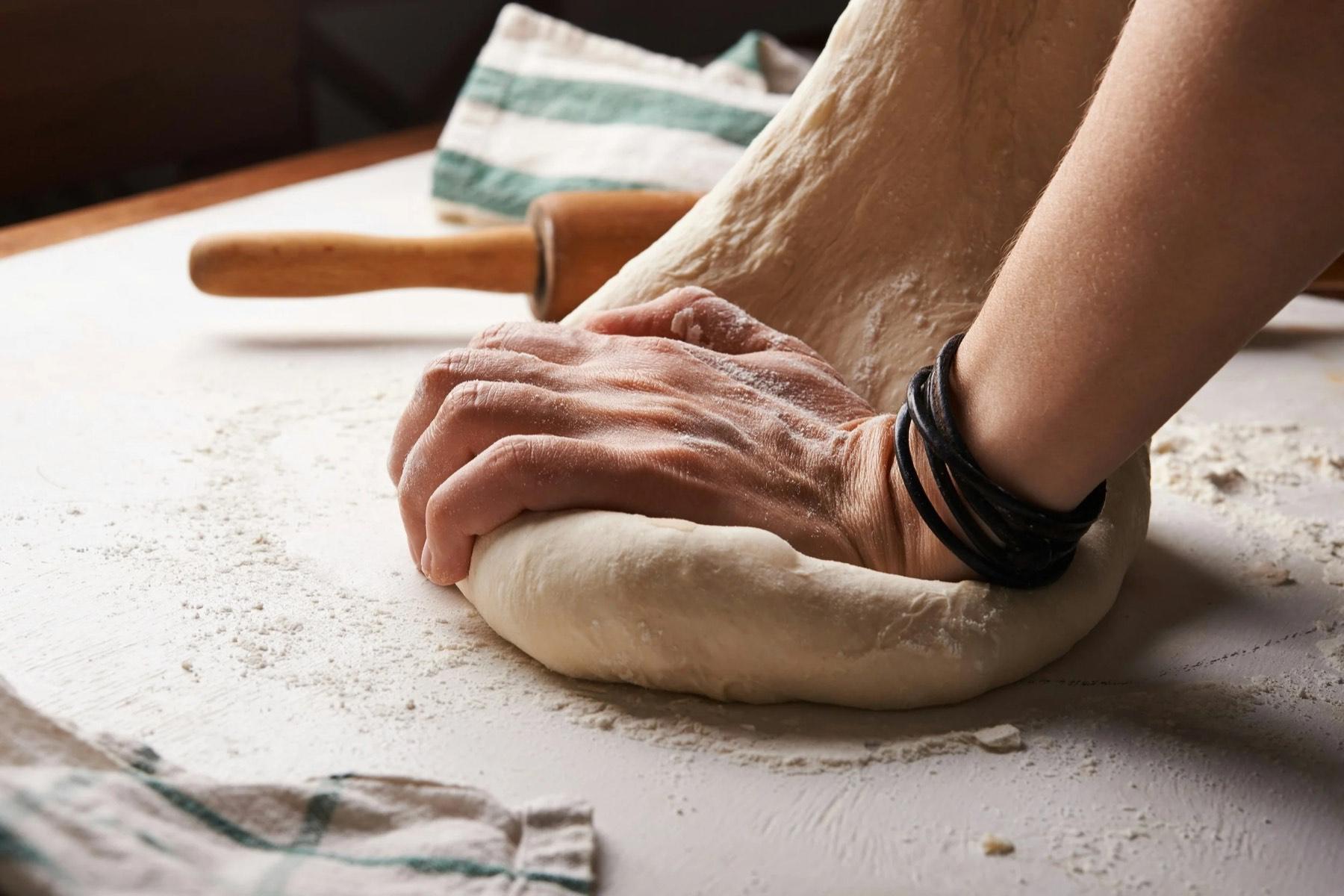
Where the harvest becomes a meal.
A team of cooks turns the estate’s produce into base preparations and ready-to-heat meals for Raya, Pão & Pizza and Farm to Home. 80% of what the restaurants serve comes from the farm.
Circular economy
From the estate to your table, and from your table back to the estate.
Organic leftovers from the restaurants and the kitchen are collected, composted and returned to the fields.
- Soil
- Harvest
- Kitchen
- Your table
- Organic leftovers
- Compost (and back to the soil)
Passing on knowledge
104 young farmers trained
On our 3-month internship programme, coming from more than 12 nationalities.
More about the internship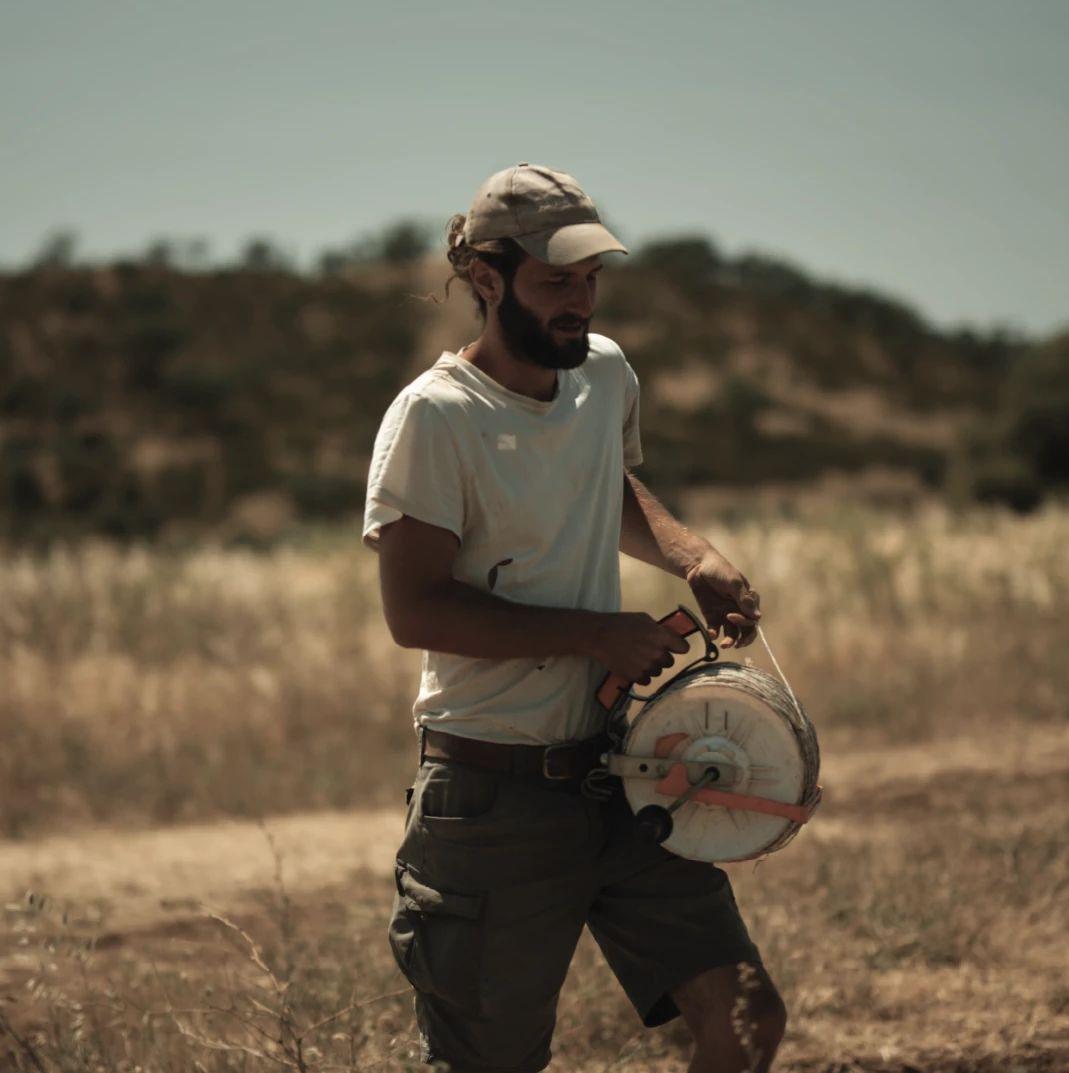
Recognition
The path, recognised.
2024 · Raya
Prémio Sustentabilidade 2024, Boa Cama Boa Mesa guide
2025
Europe’s Top 50 Farmers
2026
Slow Food Farms
2026
EARA, European Alliance for Regenerative Agriculture
2026 · Pão & Pizza
Sol Sustentável, Repsol Guide
“Soil” stands for the ground and sustainable farming. “Soul” stands for well-being, nutrition, digestion and a clear conscience.
What comes next
The Farm House: land, food and experiences.
We are developing the Farm House and hope to open in 2028. You will be able to sleep on the estate, between the vegetable garden, the horses and the lake.
15
suites
3
wooden cabins
1
restaurant and events
1
natural spa
1
equestrian centre
1
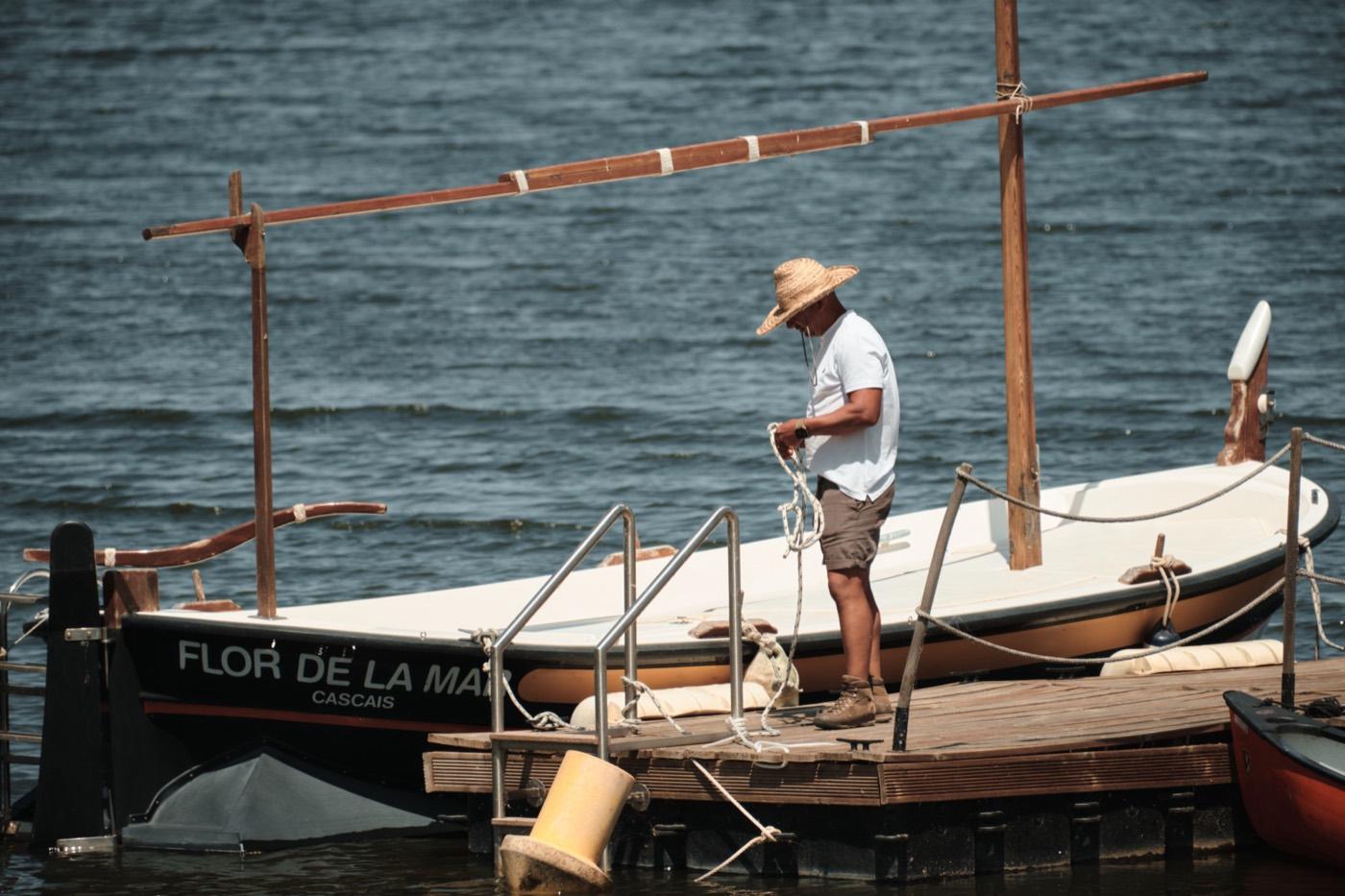
nautical centre